
Lymphedema
As Houston’s premier destination for specialized lymphedema care, we bring deep expertise and understanding to manage this complex condition. Our team of highly trained professionals is dedicated to minimizing swelling and providing essential education and resources for symptom management. We specialize in Manual Lymphatic Drainage, Compression Therapy, and Complete Decongestive Therapy, specifically designed for lymphedema patients.
We Are Referred by
Houston’s Top doctors
And Voted Best in Class by

&


Helps With Swelling, Pain, And Discomfort

Improves Mobility And Prevents Future Complications

Includes Education And Self Management Tips
Lymphedema Treatment

Unique for Patients With Lymphedema
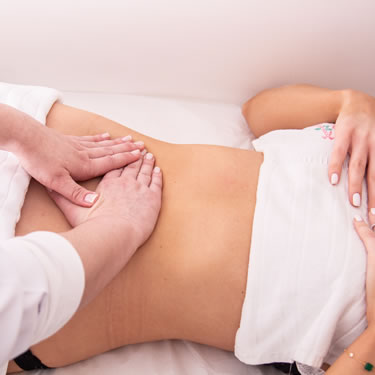
This unique lymphatic massage technique is tailored for lymphedema management. It aims to stimulate lymph flow around blocked areas, redirecting it to functioning lymph nodes for better circulation. This helps significantly in reducing lymphedema-related swelling and improving lymphatic system functionality.
Lymphedema Lymphatic
1 Session | 50 Min
Lymphedema Package
$2,235 (SAVE $97)
15 Session Package
Lymphedema Package
$2,980 (SAVE $92)
20 Session Package
713-474-4774
*Get $15 OFF on your 4th visit
with our loyalty program!
We have two conveniently located clinics serving West and North Houston, based in Memorial / the Energy Corridor and The Woodlands, offering lymphatic drainage and post-operative therapy to River Oaks, Memorial Villages, Tanglewood, West University, Katy, Creekside Park, Carlton Woods, Sterling Ridge, Panther Creek, Spring, and surrounding high-income communities.

Give a Gift of Healing
Rewards Program

Earn Points
Join our rewards program and earn a point every time you book an appointment at our clinic.

Earn Discounts
Get $15 OFF after your 4th visit!

Redeem Points
Use your discount immediately, or convert your rewards into gift cards for friends or family.
Praises By Our Patients

They started taking care of me the day after my surgery with in-home sessions , and then continued my treatments in their office. From the very beginning, everything was so easy and organized. Over the course of my recovery, I built such a great relationship with every therapist who worked on me. They were all kind, knowledgeable, and genuinely cared about my healing.
I truly believe they played a huge role in my results. My swelling improved after every session, I looked and felt better each time, and I honestly think my scar healed so beautifully and stayed so small because of the care I received.
If you’re having a mommy makeover, do yourself a favor and get the package. Start your lymphatic drainage massages as soon as you’re cleared after surgery—you won’t regret it. The care, support, and expertise from the entire team made all the difference in my recovery. Thank you all for helping make my healing process such a positive experience!

This is my go-to place for lymphatic massage and have been trying some slimming. Alejandra is very knowledgeable and I have been seeing great results. Their staff is not only friendly but also highly skilled. They are very efficient and punctual.
Mary at the front desk is very welcoming and very helpful. I highly recommend this business.


Their knowledge, technique, and attention to detail were incredible. They took the time to understand my concerns, explained the process thoroughly, and customized the treatment specifically for my needs. I could literally feel the difference during and after the session — reduced tightness, better mobility, less swelling, and overall relief I hadn’t experienced in a long time.
What truly sets them apart is their compassion and professionalism. You can tell they are deeply passionate about healing and helping their clients feel their best. The environment was calming, clean, and welcoming, which made the entire experience even more therapeutic.
If you are looking for someone highly skilled in scar tissue work and lymphatic massage, I wholeheartedly recommend them. This was one of the best bodywork experiences I’ve ever had, and I’m so grateful I found them.

P.S. the decor is gorgeous and the professionalism in the office is superb!

Carolina has such a calming presence and a true gift for what she does. You can tell she is not only skilled, but deeply passionate about helping others heal and feel their best. Every session felt intentional, and I always left feeling lighter, refreshed, and more in tune with my body.
What meant the most to me was how much heart her and her team put into their work. They didn’t just treat me like a client, they treated me like someone who truly mattered.
I will always be grateful for the care, kindness, and dedication Carolina and her team showed me. If you are considering lymphatic massage, I cannot recommend them enough, they are truly exceptional.✨🌟🌟

Katherine is amazing and so knowledgeable and professional. Her Linfa tea is a daily part of my routine
The office carries so much positive energy…
I used Lymphatic drainage before and after my surgery and have continued because of the positive changes I see in my body and mind.



What Is Lymphedema?
Lymphedema is a condition that arises due to a malfunction in the lymphatic system, a crucial part of our immune and circulatory systems. This system is responsible for transporting lymph, a fluid containing white blood cells that fight infection, throughout the body. Lymphedema typically occurs when lymph vessels are damaged or lymph nodes are removed, disrupting the normal flow of lymph. This can result in a buildup of this fluid, leading to swelling, usually in the arms or legs.
At Carolina Pintos, we offer comprehensive treatment options for lymphedema, tailored to each patient’s unique needs. Our goal is to reduce swelling, manage symptoms, and improve the quality of life for our patients. Remember, early detection and treatment of lymphedema can significantly improve outcomes and quality of life.
Frequently Asked Questions (FAQ)
Who would benefit most from our lymphedema treatments?
Our lymphedema treatments are designed for patients diagnosed with lymphedema by a physician, as well as those experiencing swelling after surgery, cancer treatment, lymph node removal, or radiation.
What is lymphedema and what are the causes it?
Lymphedema is a chronic condition characterized by swelling in certain parts of the body, usually the arms or legs, due to a compromised or damaged lymphatic system. Lymphedema can be primary (congenital or genetic) or secondary (caused by surgery, radiation therapy, infection, trauma, or other factors that damage the lymphatic system).
Is lymphedema curable and can it be prevented?
While there is no known cure for lymphedema, it can be effectively managed with proper treatment and self-care to control swelling and prevent complications. While primary lymphedema cannot be prevented, there are measures to reduce the risk of secondary lymphedema, such as proper wound care, infection prevention, and avoiding trauma to the affected limb.
What is the difference between primary and secondary lymphedema?
Primary lymphedema is caused by congenital abnormalities in the lymphatic system, whereas secondary lymphedema occurs as a result of damage to the lymphatic system due to external factors.
How does lymphedema differ from regular edema?
Edema is simply defined as an accumulation of water in the tissues. In contrast, lymphedema is specifically characterized by an abnormal accumulation of both protein and water within the interstitial space. This condition occurs due to a mechanical insufficiency of the lymphatic system. Because lymphatic fluid is naturally rich in protein, a failure in the system’s ability to transport it results in this unique, protein-rich swelling that distinguishes it from regular edema.
What are the symptoms of poor lymphatic drainage?
The following are symptoms of poor lymphatic drainage: Tiredness, insomnia, swelling in the arm or leg (including fingers or toes), a feeling of heaviness or tightness, restricted range of motion, recurring infections, and hardening or thickening of the skin (fibrosis).
What are the symptoms of lymphedema and how is it diagnosed?
Symptoms may include swelling, heaviness or tightness in the affected limb, decreased flexibility, recurrent infections, thickening of the skin, and discomfort. Lymphedema is typically diagnosed based on medical history, physical examination, and evaluation of symptoms. Additional tests such as lymphoscintigraphy or bioimpedance analysis may be used for confirmation.
What are the stages of lymphedema?
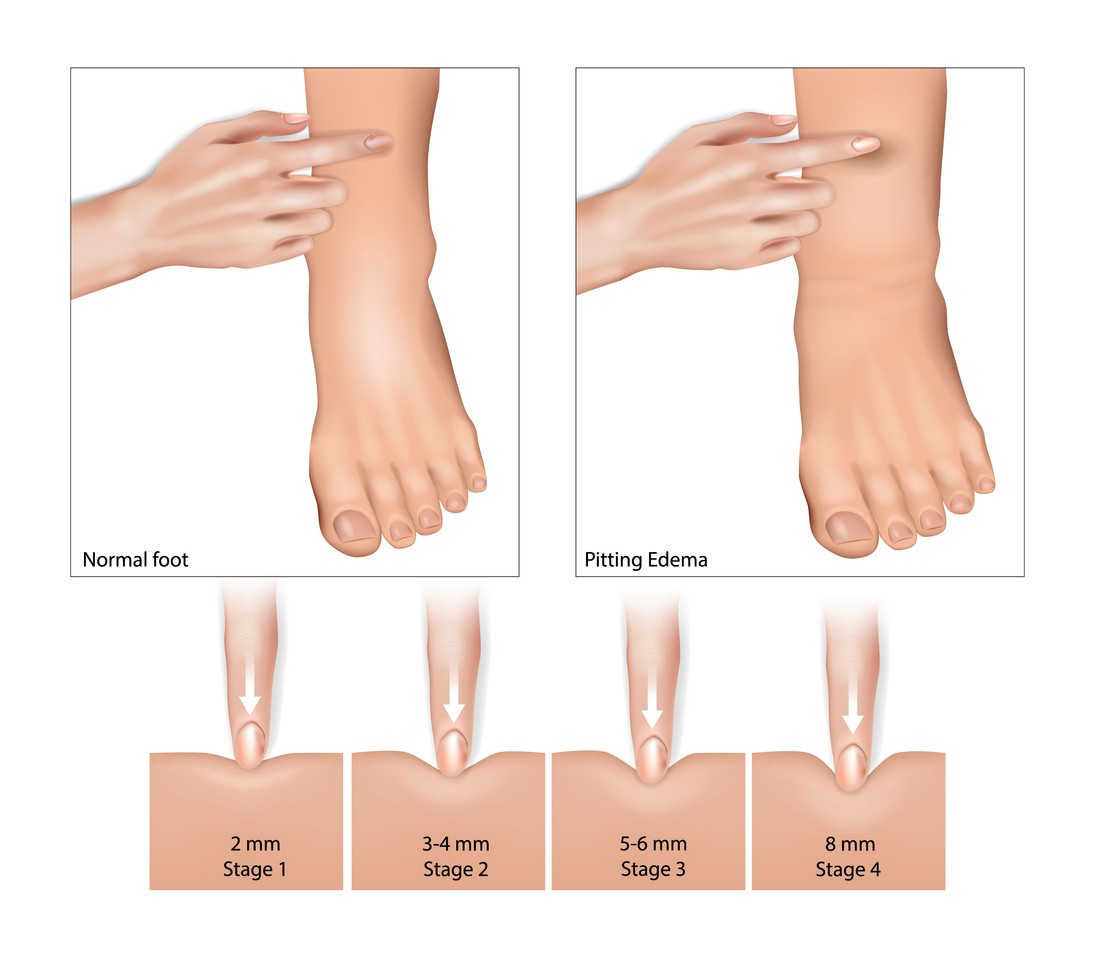
Lymphedema is often classified into four stages based on the severity of swelling and tissue changes. The stages range from mild to severe.
How is lymphedema treated?
Lymphedema treatment typically involves a combination of approaches to manage the condition effectively. This comprehensive approach includes manual lymphatic drainage (MLD), a specialized massage technique that promotes the flow of lymph fluid and reduces swelling. Compression therapy, using garments, bandages, or pumps, applies constant pressure to the affected limb, facilitating the movement of lymph fluid. Personalized exercise programs improve lymphatic flow, mobility, and overall well-being. Proper skincare and self-management techniques, such as elevation, hygiene, and adhering to recommended routines, are crucial for preventing complications.
How does lymphedema cause edema?
Lymphedema, a specific type of edema, arises from the disruption of the normal functioning of the lymphatic system. This impairment hinders the drainage of fluid from the interstitial spaces, where it accumulates. As a consequence, the affected area experiences fluid retention, swelling, increased pressure, and compromised fluid flow out of the blood vessels, exacerbating the edema. Lymphedema may also induce inflammation and tissue fibrosis, further contributing to the persistence of edema. It is important to note that while lymphedema specifically stems from lymphatic system dysfunction, not all cases of edema can be attributed to lymphedema.