You Are Doing Everything Right. So Why Isn’t Your Body Changing?
More workouts. Cleaner eating. More water.
And the lower belly is still there. The thighs still feel heavy. The arms still aren’t where you want them.
At some point, it starts to feel frustrating. You’re putting in the effort, but certain areas just don’t respond the way you expect.
In many cases, this is not about discipline. It is about what is happening at the tissue level, which is something most people are never taught to think about.
The Part No One Explains About Stubborn Areas
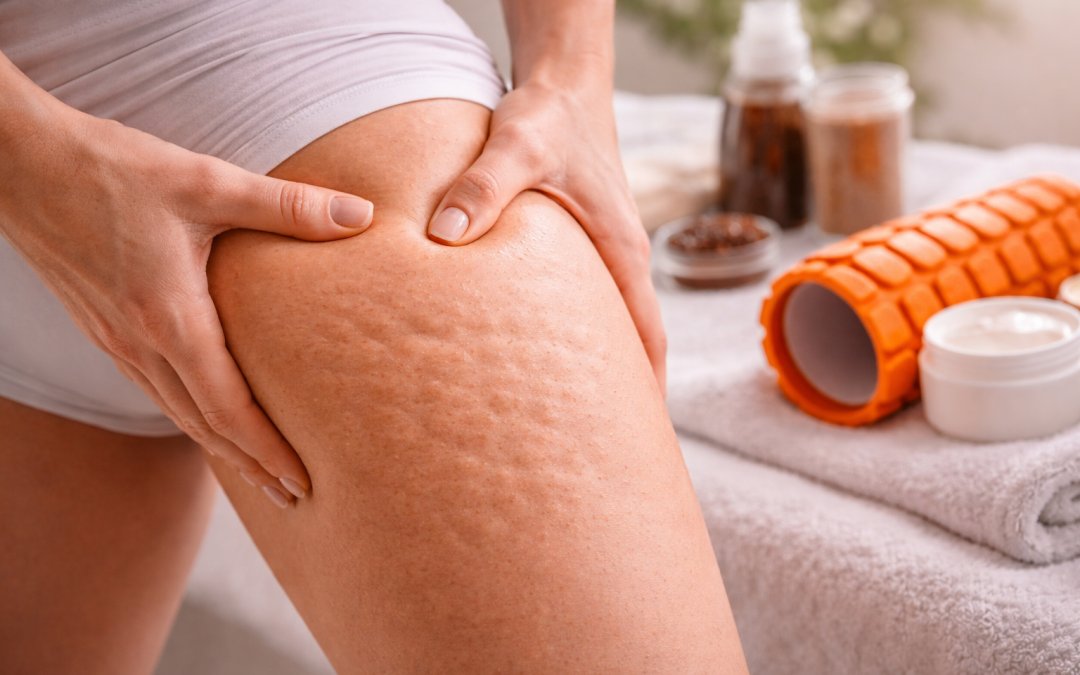
Not all body fat behaves the same. Subcutaneous fat, the kind found in the abdomen, thighs, and arms, tends to be more resistant, especially when it is paired with fluid retention and reduced circulation in that area.
Your body ultimately decides where fat is stored and how it is mobilized. Hormones, blood flow, and overall metabolic activity all play a role. It is not just about how hard you train or how clean you eat.
What many people experience as “stubborn fat” is often a mix of different things happening at once:
- Fluid retention within the tissue
- Slower microcirculation
- Increased tissue density or early fibrosis
This combination can make certain areas feel heavier, look fuller, and respond more slowly, even when everything else is on point.
Understanding Tissue-Level Support
When progress slows down, it can help to look beyond calories and workouts and start looking at how the tissue itself is functioning.
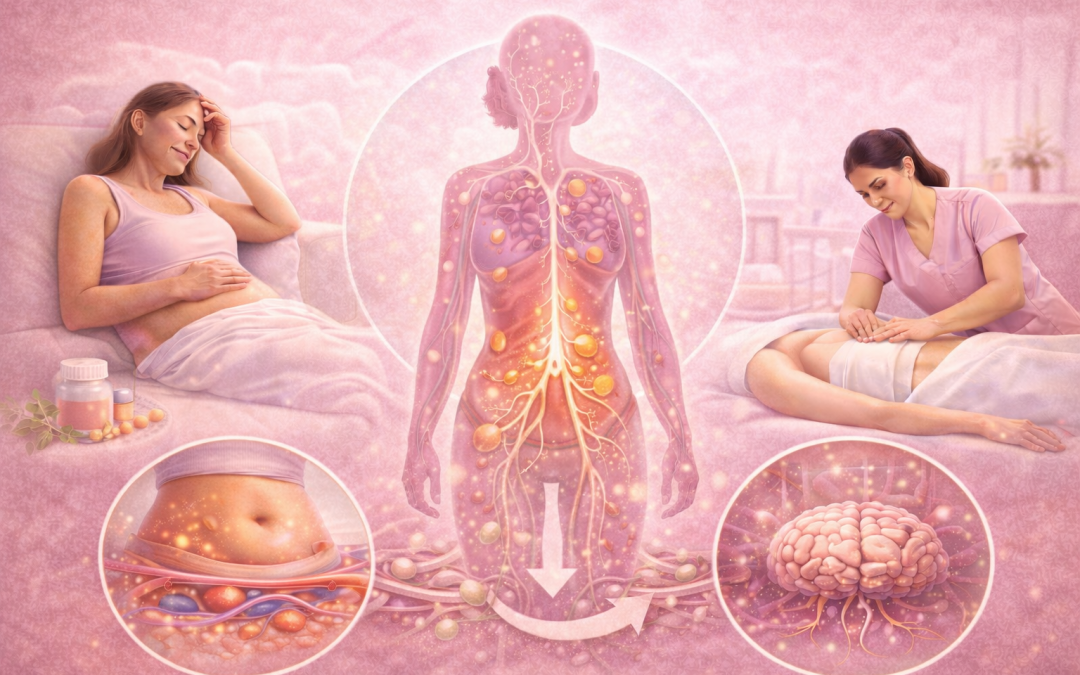
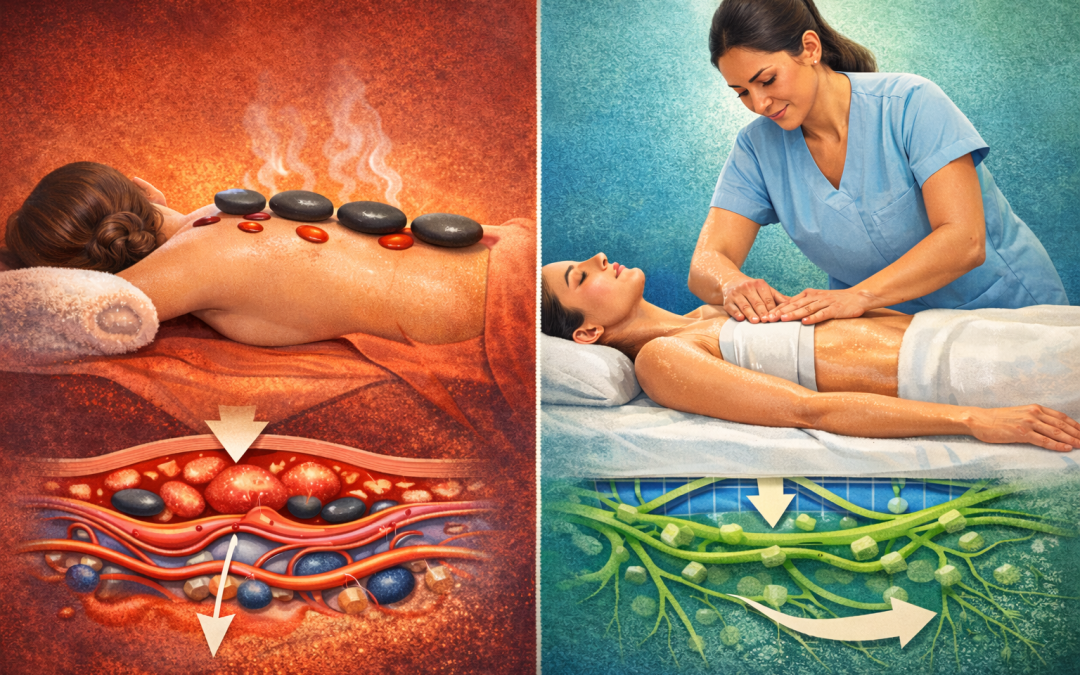
At Carolina Pintos Therapy, the approach to body contouring is not based on one single method. It is built around improving circulation, supporting lymphatic movement, and reducing tissue congestion so the area can function better overall.
Depending on the person, this may include a combination of techniques such as:
- Manual tissue work: used to stimulate circulation and address areas that feel dense or congested
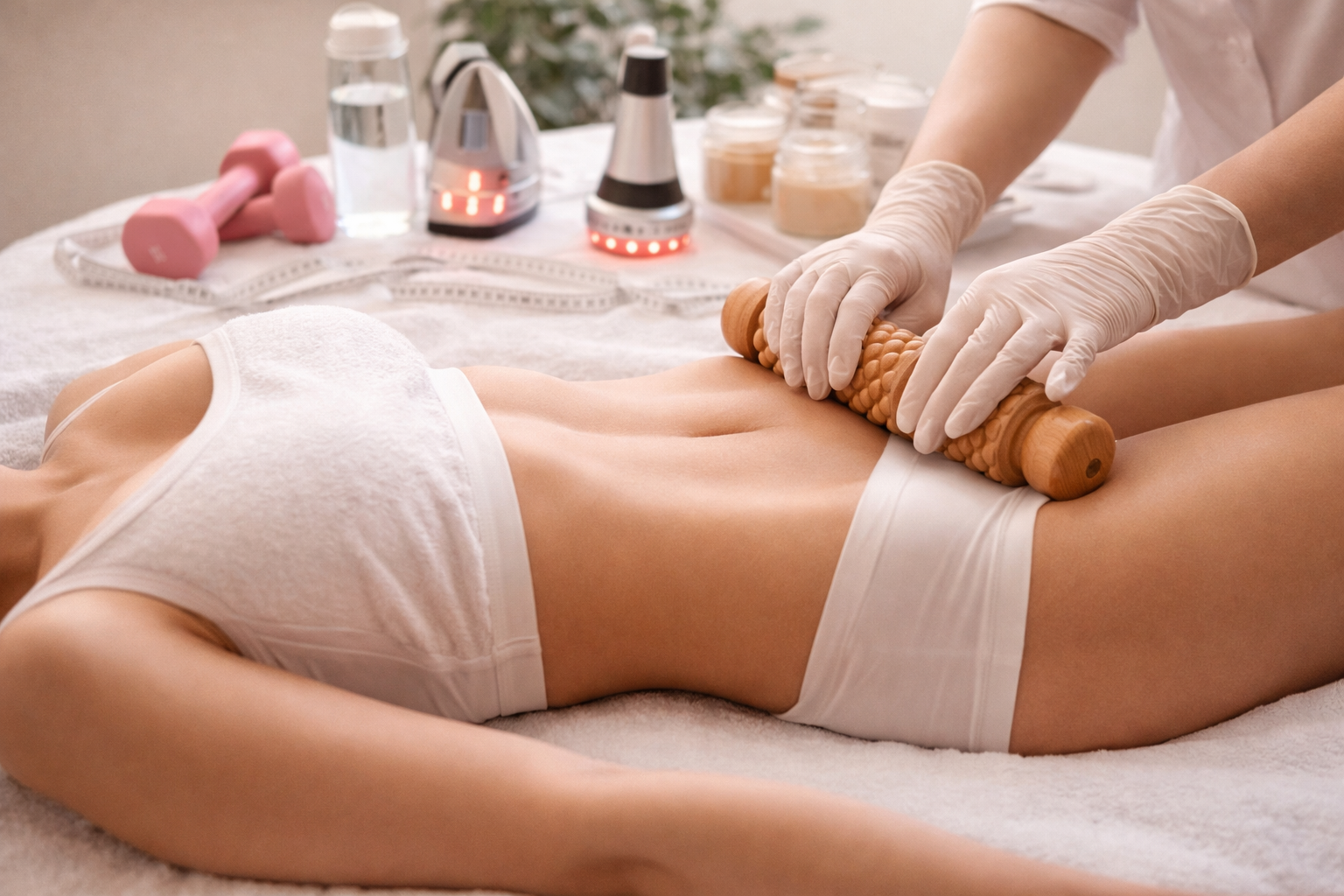
- Ultrasound-based modalities: sometimes used within non-invasive contouring protocols
- Low-level laser therapy: applied to targeted areas as part of aesthetic treatments
- Mechanical stimulation techniques: such as wood therapy to assist with tissue mobilization
- Topical and wrap-based applications: used to support skin appearance and local circulation
None of these replace proper nutrition or exercise. They are used alongside those habits to address factors that are harder to influence on your own.
Over time, improving circulation and reducing fluid buildup can change how the tissue looks and feels. Some people notice less puffiness. Others notice smoother texture or a more defined contour. The response can vary from person to person.
Why Timing and Consistency Matter
Changes at the tissue level do not happen overnight. The body tends to respond gradually, especially when fluid balance and circulation are involved.
Consistent sessions, combined with an overall healthy routine, tend to produce more noticeable and lasting changes than trying to rush the process.
Around this time of year, many people start thinking ahead to warmer months. Giving your body time to respond usually leads to better outcomes than trying to compress everything into a short window.
References
- Cleveland Clinic: Lymphatic System, Function, Anatomy, and Conditions
- StatPearls: Physiology of Adipose Tissue
- NIH: Microcirculation and Its Role in Tissue Health
- Journal of Clinical Medicine: Lymphatic Function and Fluid Balance
This writing is the original and exclusive property of Carolina Pintos and is protected under copyright law. Unauthorized use of the same without the express consent of Carolina Pintos will be subject to prosecution under applicable laws.