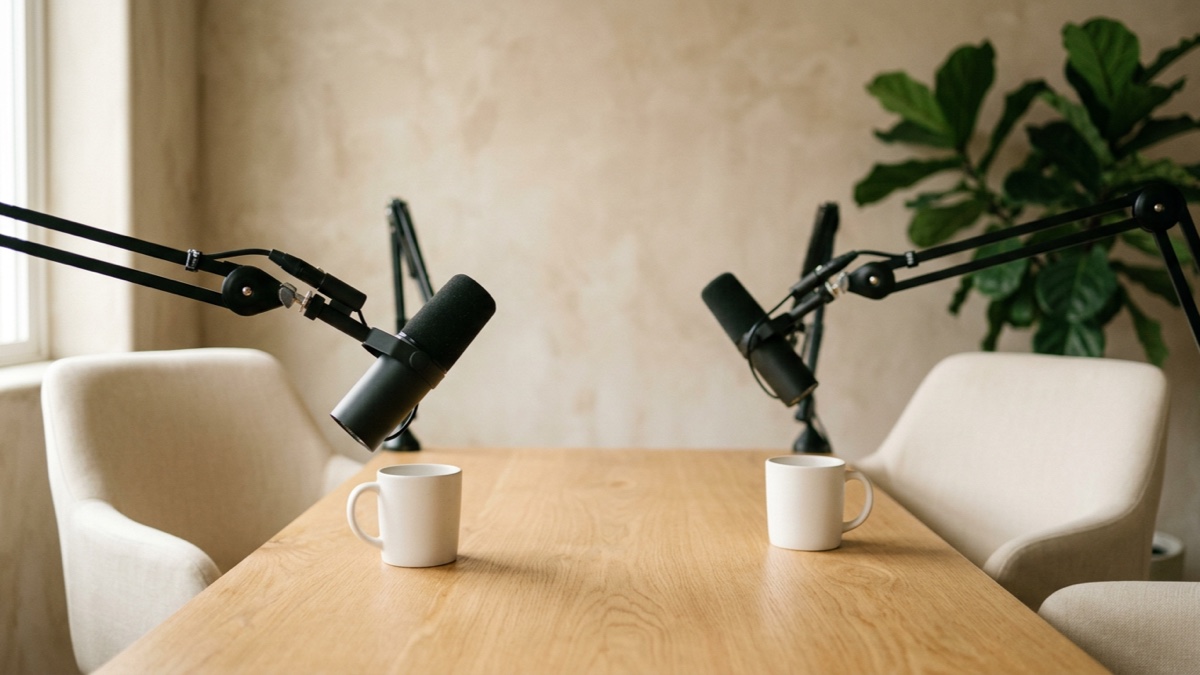
Most recovery setbacks after lipo or a tummy tuck come from doing too much to the body, not too little. That was the thread running through Carolina Pintos’s conversation with Houston plastic surgeon Dr. Rolando Morales on the Fit Doc Podcast. They covered how the lymphatic system works, why swelling lasts as long as it does, and the mistakes they both see every week.
Watch the full episode here, or open it on YouTube. Below the video are the seven mistakes they agreed on, in plain terms.
First, Why You Swell at All
Dr. Morales calls the lymphatic system “the sewer system of the human body.” It collects the fluid and waste that leak out of your blood vessels into the tissue and returns them to the bloodstream. His point about it: “it has no pump.” Blood has the heart. Lymph only moves when your muscles move.
Body contouring surgery cuts through those drainage channels. He compares it to a hurricane wrecking a city’s sewer system, with the water backed up in the streets until the pipes are rebuilt. That rebuilding takes weeks to months, which is why swelling after surgery is expected and not a sign something went wrong. In a Brazilian survey of 354 women after a tummy tuck, published in Revista Brasileira de Cirurgia Plástica in 2020, swelling was the most common complaint, reported by 84%.
Mistake 1: Forcing Fluid Out Through the Incisions
This is the massage you see on social media, where a therapist pushes fluid out of the lipo openings, often for days, reopening them when they close. Dr. Morales said he discourages his patients from it and sees it as more inflammation and unnecessary suffering.
Carolina’s answer was direct: “We don’t fight the fluid. The fluid is there for a reason.” The job, as she put it, is to “support the lymphatic system to do its job.” Her concern is that forcing fluid restarts the inflammation each time and leaves more fibrosis at the end. We go deeper in should lymphatic drainage hurt after surgery? and fibrosis after lipo.
Mistake 2: Compression That Is Too Hard, Too Early
Both of them are firm believers in compression. Dr. Morales called it a critical part of recovery and tells patients to expect about two months of it. Carolina’s caution is about how it’s used: “We don’t need compression just for the sake of pressure,” she said. “We need smart compression.” In the first, inflamed stage, very hard compression can work against you.
That matches a 2013 review of liposuction complications in the Indian Journal of Plastic Surgery, where the surgeons advise a well-fitting garment and warn against excessively tight ones. More in how tight should a faja be?
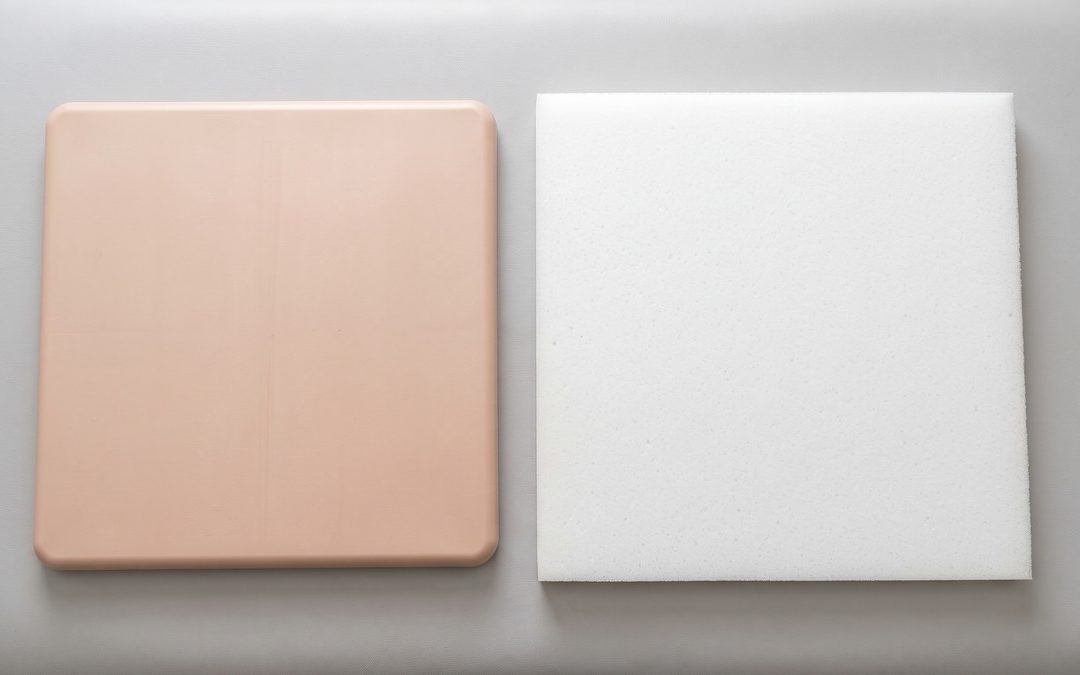
Mistake 3: Hard Boards From Day One
Dr. Morales uses soft foam in his practice and finds rigid boards very uncomfortable for patients. Carolina uses foam early too, to stop hooks and seams from pressing into the skin and trapping fluid. She saves boards for later, once the first inflamed stage has passed, and only where a garment isn’t giving enough pressure.
Her reason is movement. Patients in hard boards “feel like robots,” and a system with no pump needs you to move. See lipo foam vs ab board.
Mistake 4: Heat on a Numb Area
After surgery the skin over the treated area has little feeling. Dr. Morales described patients he has seen for revision surgery who fell asleep with a heating pad on a numb abdomen in the first week and lost skin and fat to the burn. Carolina has seen patients arrive with burns from hot stone massage.
No heating pads and no hot stones on a surgical area. Asked about ice or heat after body contouring, Carolina’s answer was “Absolutely not.” We cover the research in can you use heat after body contouring surgery?
Mistake 5: Taking the Garment Off, or Adding a Waist Trainer
Carolina hears both. One patient takes the garment off because it’s uncomfortable. Another decides it’s too loose and straps a waist trainer over it. Wear what your surgeon prescribed for as long as they said, and take it off to wash it, to shower and for your sessions. If it doesn’t fit, have it adjusted. Don’t add pressure on your own.
Mistake 6: Doing Too Much, or Not Moving at All
Pain control is good enough now that some patients feel fine and start cleaning the house. Others don’t want to get out of bed. Both slow you down.
Once your surgeon clears you, walk. Dr. Morales called walking one of the most effective recovery tools there is, and it costs nothing. Your leg muscles are the pump. Beyond that, Carolina’s list was short: drink enough water, eat enough protein, sleep, and wear your garment.
Mistake 7: Expecting the Swelling to Be Gone in a Few Weeks
Asked how long swelling lasts, Carolina said, “Much more than the patients want.” Dr. Morales tells his patients they’re about 60% recovered at two months and close to 100% at six months. Even then, expect more swelling in the evening and after a long day of sitting.
Two people with the same surgery swell differently, so comparing yourself with a friend doesn’t tell you much. Firmness that shows up as the swelling goes down is usually part of healing. Don’t wait until an area has hardened to have it looked at.
What About Tape, Water and Coffee?
- Kinesiology tape: both think it can help when it’s applied along the lymphatic pathways by someone trained to do it. Both have also seen skin reactions, even in people with no history of them. More in kinesiology tape after surgery.
- Water: drink enough to stay hydrated. Neither of them believes you need a gallon a day. Thirst and the color of your urine are better guides.
- Coffee: a cup is fine if you’re also drinking water.
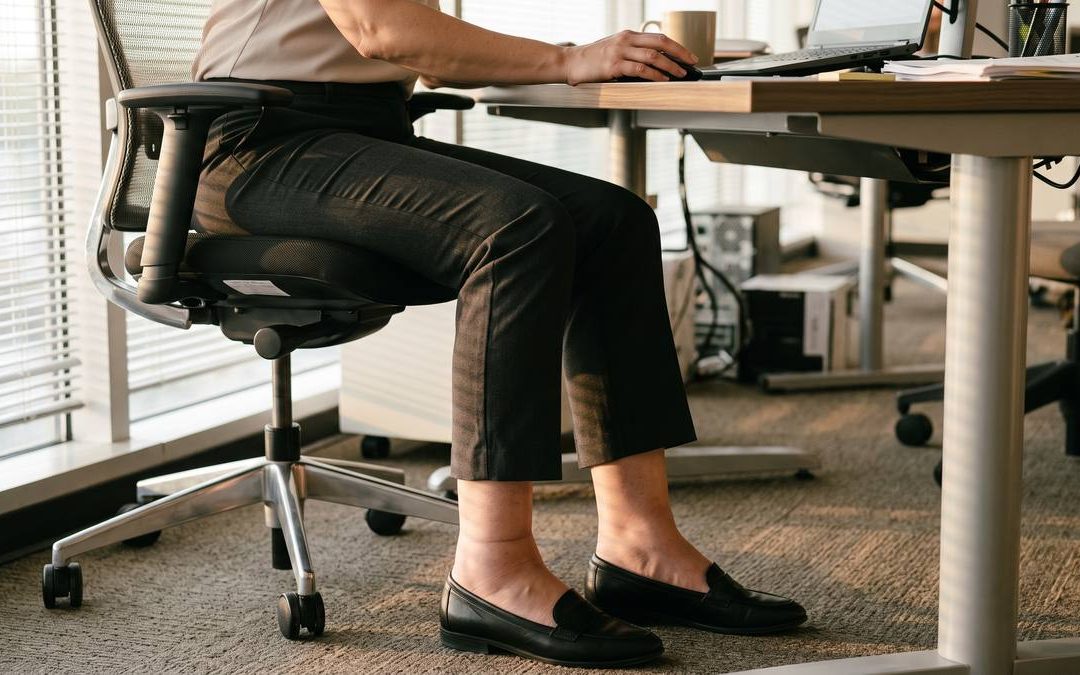
- Flying and long days sitting: both make swelling worse. Pump your calves, walk the aisle when you can, and wear compression you can move in.
How Treatment Changes Week to Week
Carolina described recovery as stages. Early sessions are light manual lymphatic drainage that follows the body’s drainage pathways and reroutes fluid around the areas surgery disrupted. As the tissue moves from inflammation into rebuilding, the treatment changes with it, and other tools come in only when the body is ready for them. As she said on the episode, “We don’t innovate treating people after surgery.”
The combination has some research behind it. In a 2014 Brazilian study of 18 women with fibrosis after liposuction or lipo with a tummy tuck, 12 sessions of therapeutic ultrasound and manual lymphatic drainage reduced swelling and fibrosis, and about half to two thirds finished with no fibrosis an examiner could find. It was a small study with no comparison group.
Post-Operative Recovery Care in Houston
Our post-op recovery program starts with an assessment once your surgeon clears you, then light manual lymphatic drainage that is never forced, with the plan adjusted as you heal. It’s led by Carolina Pintos, CLT, a certified lymphedema therapist trained in Brazil, and it follows your surgeon’s instructions.
We see clients at our Memorial (Energy Corridor) and The Woodlands clinics. Call 713-474-4774 or book your post-op session.
Our thanks to Dr. Rolando Morales for the invitation. On the episode he also talks about Flow Form, a compression line he designed. Disclosure: our clinic carries it.
References
- Fit Doc Podcast with Dr. Rolando Morales and Carolina Pintos. Watch on YouTube
- Santos NL, Esteves-de-Oliveira IG, Tacani RE, Baldan CS, Masson IFB, Farcic TS, Machado AFP. Perception of patients about professional performance and procedures performed in the pre, intra, and postoperative period of abdominoplasty. Revista Brasileira de Cirurgia Plástica. 2020;35(2):189-197. Available here
- Masson IFB, de Oliveira BDA, Machado AFP, Farcic TS, Júnior IE, Baldan CS. Manual lymphatic drainage and therapeutic ultrasound in liposuction and lipoabdominoplasty post-operative period. Indian Journal of Plastic Surgery. 2014;47(1):70-76. Available here
- Dixit VV, Wagh MS. Unfavourable outcomes of liposuction and their management. Indian Journal of Plastic Surgery. 2013;46(2):377-392. Available here
This article is general information, not medical advice. Always follow your surgeon’s or doctor’s instructions for your own care.
This writing is the original and exclusive property of Carolina Pintos and is protected under copyright law. Unauthorized use of the same without the express consent of Carolina Pintos will be subject to prosecution under applicable laws.