
Some firmness after lipo is part of healing, and most of it softens on its own. Fibrosis is different: hard, fixed lumps or bands under the skin that don’t change from morning to night. If yours are still there about six weeks after surgery, have your surgeon look, and start gentle treatment early, because it gets harder to change the longer it sits.
Below: what fibrosis is, how to tell it from swelling, what the research shows helps, and what no massage can fix.
What Is Fibrosis After Lipo?
Liposuction leaves small tunnels under the skin where the fat was removed. As those heal, the body lays down scar tissue. When it lays down too much, or the layers stick together, you get what a Brazilian research group describes as hardened plates in the tissue under the skin, which can leave the surface uneven for a while or for good.
It’s common enough to plan for. In a 2013 review in the Indian Journal of Plastic Surgery, two plastic surgeons reported that 8.2% of their own liposuction patients complained of surface irregularities afterward. They list fibrosis with adhesions as one of the causes, along with a poorly fitting compression garment.
Is It Fibrosis or Just Swelling?
In the first weeks, almost everyone has both swelling and firmness, and it’s hard to tell them apart. A few things point one way or the other.
More likely swelling:
- The area feels puffy or doughy, not hard
- It changes through the day, often worse in the evening or after sitting
- It’s spread out evenly, without distinct edges
- It’s slowly improving week to week
More likely fibrosis:
- Hard lumps, cords or plates you can feel the edges of
- They feel the same morning and night
- The skin looks dimpled, wavy or pulled in over them
- The dent gets deeper when you tense the muscle underneath
- They haven’t changed in two or three weeks
A soft pocket that sloshes or feels like a water balloon is neither one. That may be a seroma, which needs your surgeon. We cover it in seroma: how to tell one from normal swelling.
When Does It Show Up, and How Long Does It Last?
Firmness usually becomes noticeable as the early swelling goes down and you can feel what’s underneath. The 2013 review notes that hard, painful swelling lasting beyond six weeks is uncommon, and that when it happens it takes longer to settle and can lead to more scarring, fibrosis and an uneven surface.
So six weeks is a reasonable checkpoint. Firmness that is steadily softening by then is usually on track. Hard areas that are not changing are worth showing to your surgeon.
What Actually Helps?
There is no agreed best treatment, and the research is thin. Here is what exists.
Lymphatic drainage with therapeutic ultrasound. In a 2014 study from Universidade Paulista in São Paulo, 18 women with fibrosis after liposuction or lipo with a tummy tuck had 12 sessions, three a week, of therapeutic ultrasound followed by manual lymphatic drainage. They were about 70 days past surgery on average. Every one of them had fibrosis at the start. By the end, about half to two thirds had none that an independent examiner could find, and the rest had dropped to the mildest grade. Pain was gone in all of them.
The limits matter: it was a small study with no comparison group, and everyone was also wearing a compression garment. It shows that fibrosis can improve a lot with treatment at around two to three months. It doesn’t prove which part did the work.
Early, gentle care. The surgeons who wrote the 2013 review say that in their experience gentle technique, a well-fitted garment and early lymphatic drainage massage help swelling clear faster, and that lymphatic drainage, external ultrasound or mechanical massage may help the swelling come down evenly. Clearing swelling early is the main way to head fibrosis off.
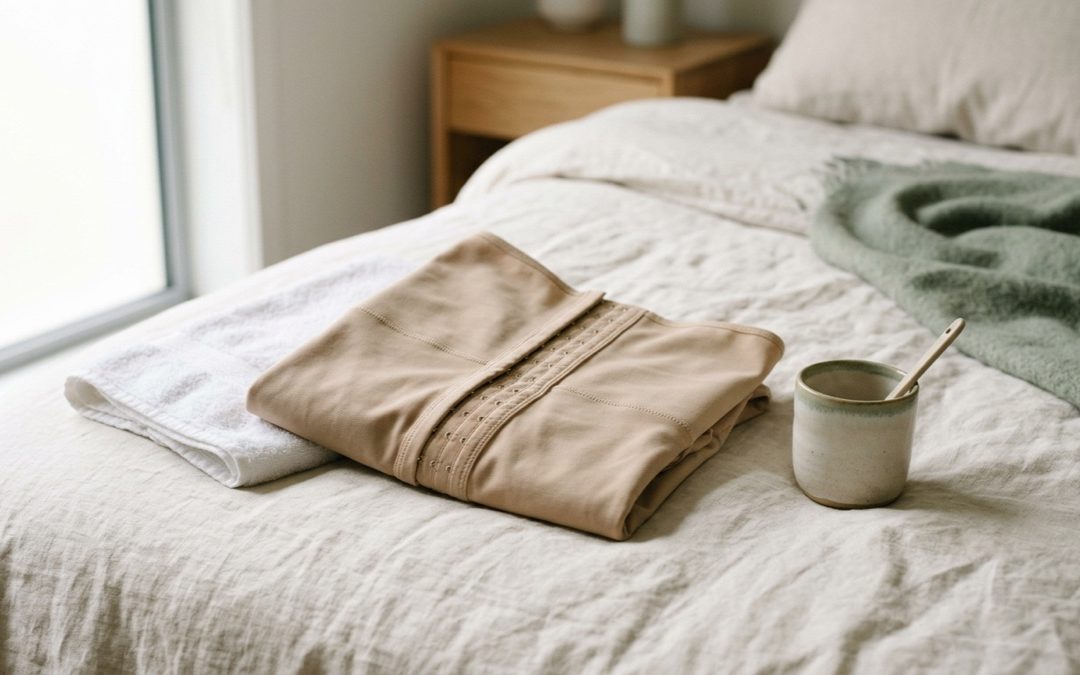
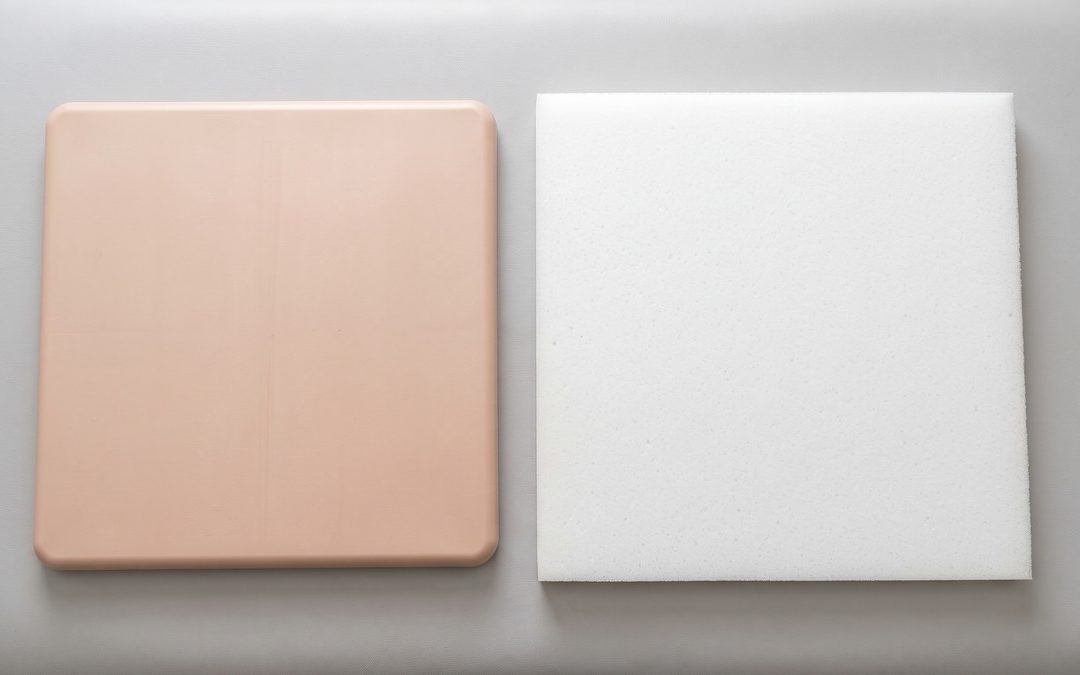
A garment that lies flat. The same review shows cases where folds and creases in a garment left dents and grooves in the skin. Tighter doesn’t fix this. Fit does. See how tight a faja should be and lipo foam vs ab board.
What Makes It Worse?
- Painful, forceful massage. Pressing hard on healing tissue adds injury to an area that is already inflamed. A session shouldn’t hurt. More in should lymphatic drainage hurt after surgery?
- A garment that rolls, folds or digs in in the same spot day after day
- Waiting. The 2013 review is blunt that correcting an uneven surface once scarring and fibrosis have set in is often very difficult
What Massage Cannot Do
Massage can’t put back fat that was taken out unevenly. A dent from too much fat removed in one spot is a contour problem, not fibrosis, and it won’t soften with treatment. Surgeons correct those with fat transfer or a touch-up procedure.
For stubborn fibrosis, the review mentions injections into the hardened area as an option. That is a medical treatment and a decision for your surgeon, not something a massage therapist does.
When to Call Your Surgeon
- A hard area that is growing, or getting more painful instead of less
- Redness, heat or fever
- A soft pocket of fluid that sloshes or keeps coming back
- Skin turning dark, blistering or breaking down
- One leg suddenly more swollen than the other, or calf pain
- Hard lumps or dents that haven’t changed by about six weeks
Fibrosis and Scar Tissue Treatment in Houston
Our fibrosis and scar tissue treatment starts with an assessment of what you actually have: swelling, fibrosis, a seroma or a contour change. Treatment is built on light manual lymphatic drainage, never forced, and follows your surgeon’s instructions. It’s led by Carolina Pintos, CLT, a certified lymphedema therapist trained in Brazil. If what we find needs your surgeon, we’ll tell you.
We see clients at our Memorial (Energy Corridor) and The Woodlands clinics. Call 713-474-4774 or book an assessment.
Frequently Asked Questions
Does fibrosis after lipo go away on its own?
Mild firmness often softens over the first months as the tissue heals. Hard, fixed areas that haven’t changed by about six weeks are less likely to settle without treatment, so have them checked.
How do you get rid of fibrosis after lipo?
There is no single agreed treatment. In one small Brazilian study, 12 sessions of therapeutic ultrasound and manual lymphatic drainage cleared fibrosis in about half to two thirds of patients and reduced it in the rest. Your surgeon may add other options for stubborn areas.
Is it too late to treat fibrosis months after surgery?
Not necessarily. The women in that study were about 70 days past surgery on average, and some were treated up to a year after. Earlier is easier.
Should fibrosis massage hurt?
No. Pain means the tissue is being injured again. Treatment should be firm enough to work the area and light enough that you stay relaxed.
References
- Masson IFB, de Oliveira BDA, Machado AFP, Farcic TS, Júnior IE, Baldan CS. Manual lymphatic drainage and therapeutic ultrasound in liposuction and lipoabdominoplasty post-operative period. Indian Journal of Plastic Surgery. 2014;47(1):70-76. Available here
- Dixit VV, Wagh MS. Unfavourable outcomes of liposuction and their management. Indian Journal of Plastic Surgery. 2013;46(2):377-392. Available here
This article is general information, not medical advice. Always follow your surgeon’s or doctor’s instructions for your own care.
This writing is the original and exclusive property of Carolina Pintos and is protected under copyright law. Unauthorized use of the same without the express consent of Carolina Pintos will be subject to prosecution under applicable laws.