Two things are true at once, and most articles about lipedema only tell you one of them.
The first is that lipedema is not obesity, and the tissue involved does not respond to dieting the way people keep telling you it should. The second is that manual lymphatic drainage does not remove lipedema fat either. Anyone promising otherwise is not being straight with you.
What drainage and compression genuinely do is worth knowing precisely, because for a lot of people it is the difference between legs that hurt every day and legs that do not.
What Lipedema Actually Is
Lipedema is a disorder of loose connective tissue. The 2021 Standard of Care for Lipedema in the United States, published in Phlebology, describes it as gynoid rather than truncal: the tissue increases disproportionately in the hips, thighs, buttocks and often the upper arms, and it becomes fibrotic.
It is also biologically different from ordinary fat. The same guidance notes that lipedema tissue contains greater numbers of M2 macrophages, where non-lipedema obesity shows a predominance of M1. That is not a cosmetic distinction. It is a different tissue behaving in a different way.
The Sentence That Explains Twenty Years of Being Dismissed
From the same Standard of Care: lipedema tissue is resistant to reduction by diet, exercise, or bariatric surgery.
The authors explain why. Fibrosis within the loose connective tissue inhibits weight loss by the usual measures. So a person can lose weight everywhere else and watch the affected areas stay exactly as they are, and then be told they simply are not trying hard enough.
If you have had that conversation with a clinician, a trainer or a family member, that sentence is the medical literature agreeing with you rather than with them.
Lipedema Is Not Lymphedema Either
The two are routinely confused, and the distinction is physiological.
In lymphedema, the swelling is free fluid sitting in the extracellular matrix. In lipedema, the Standard of Care describes the edema as bound to proteoglycans, which is why it can be present without showing as free fluid on ultrasound.
They are not mutually exclusive. Lipedema can progress to clinically identifiable lymphedema, a combined picture the literature calls lipo-lymphedema. That progression is one of the main reasons to take early management seriously rather than waiting.
What Clinicians Look For
Diagnosis belongs to a physician, and this is not a checklist for diagnosing yourself. But the features that usually prompt the question are worth recognising:
- Disproportion between the upper and lower body that does not change with weight loss
- Symmetry — both legs, or both arms, affected in much the same way
- Tenderness and pain in the affected tissue, rather than simply heaviness
- Bruising easily, sometimes without recalling an injury
- A change that began or worsened around puberty, pregnancy or menopause
A 2026 review in the Brazilian Journal of Implantology and Health Sciences lists the principal risk factors as genetic predisposition, hormonal change, overweight and obesity, and metabolic and psychosocial comorbidities — which is to say it is not one thing, and it is not a moral failing.
What Conservative Care Does
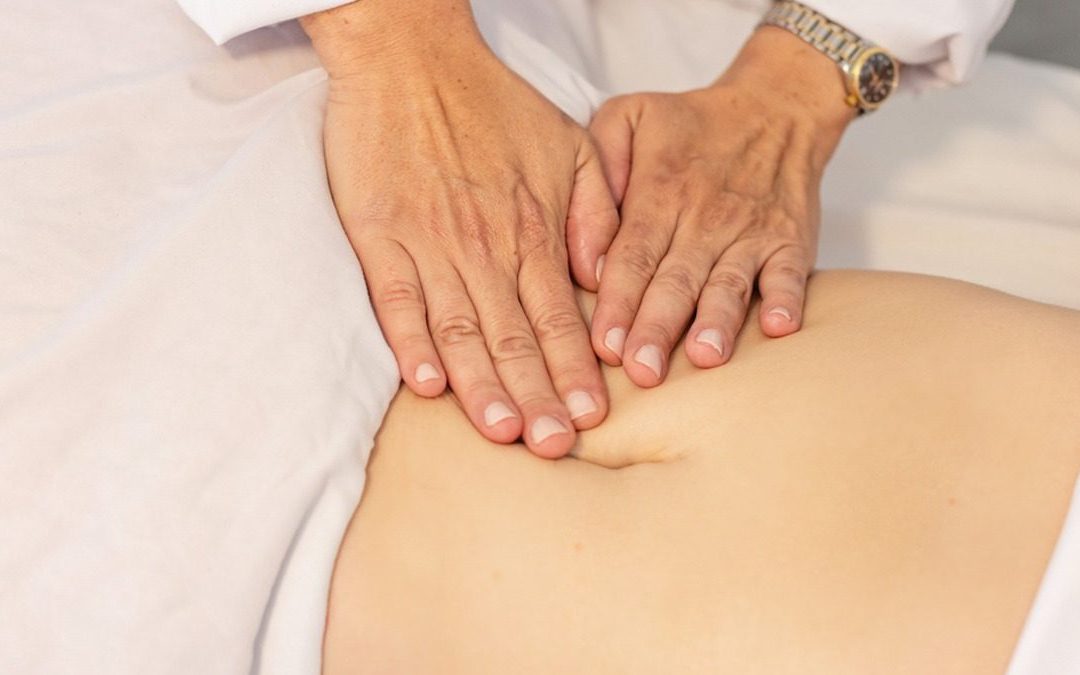
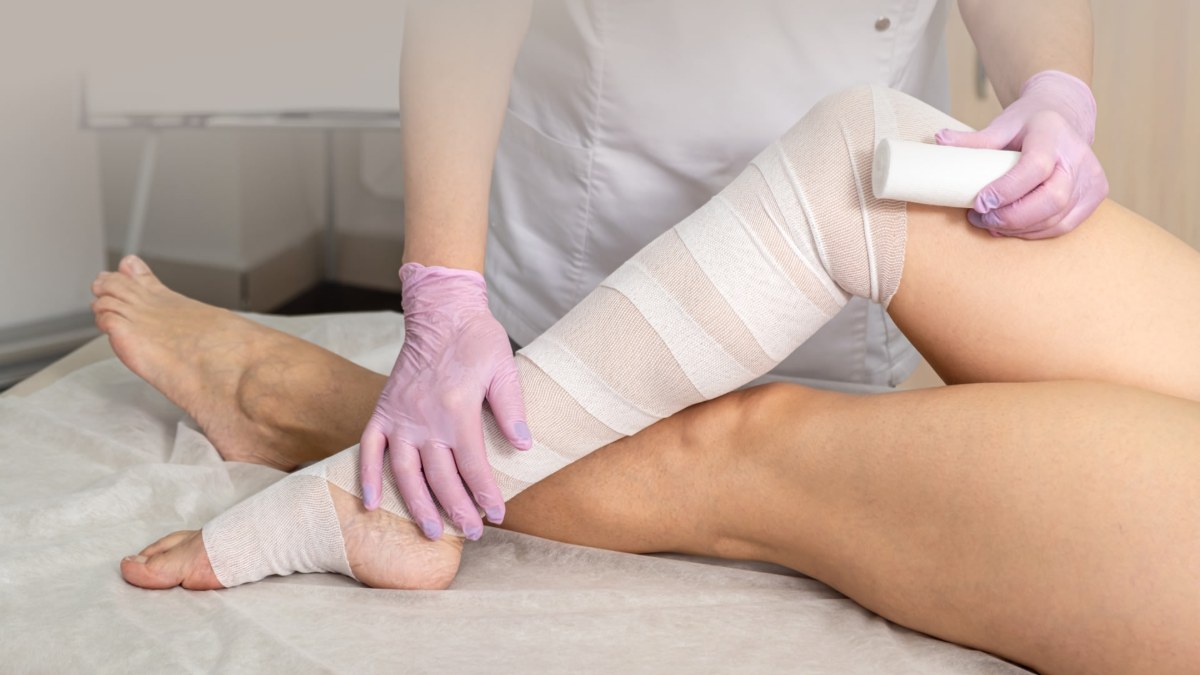
The Standard of Care recommends manual lymphatic drainage as part of an individualised, comprehensive programme to stimulate lymphatic flow and reduce edema. The 2026 Brazilian review reaches the same place from the physiotherapy side: manual lymphatic drainage, compression therapy, complete decongestive therapy and therapeutic exercise together reduced pain and swelling and improved mobility and quality of life.
Stated plainly, conservative care can:
- Reduce pain
- Reduce the edema component of the swelling
- Maintain mobility
- Improve quality of life
- Slow progression of the condition
That last one is the quiet argument for starting sooner rather than later.
What It Does Not Do
It does not remove lipedema fat. The tissue that resists diet, exercise and bariatric surgery also resists massage, and no manual technique, wrap, machine or supplement changes that.
Reduction of the tissue itself is a surgical question, and one for a physician who specialises in lipedema rather than for us. What the literature does note is that complete decongestive therapy is often reduced or no longer needed after recovery from lipedema reduction surgery — so the two are sequential rather than competing.
We would rather say this at the first appointment than sell someone a course of sessions against an expectation it cannot meet.
Lipedema Care in Houston and The Woodlands
Carolina Pintos is a licensed physical therapist trained in Brazil and Spain and a Certified Lymphedema Therapist, with more than twenty years of experience in manual lymphatic work.
The clinic provides lymphedema and lipedema care, manual lymphatic drainage and in-home visits at our Memorial and The Woodlands locations.
If you are still working out what you are dealing with, what lymphatic drainage massage is and how it works explains the technique itself, and how to find a properly trained therapist covers what credentials actually mean.
References
- Herbst KL, Kahn LA, Iker E, et al. Standard of care for lipedema in the United States. Phlebology. 2021;36(10):779-796.
- Ribeiro JA, Rios MC. Fatores de risco do lipedema e a importância da avaliação fisioterapêutica na funcionalidade e qualidade de vida: revisão de literatura. Brazilian Journal of Implantology and Health Sciences. 2026;8(6):1077-1104.
This article is general information, not medical advice, and it is not a tool for diagnosing yourself. Lipedema is diagnosed by a physician. Individual results vary.
This writing is the original and exclusive property of Carolina Pintos and is protected under copyright law. Unauthorized use of the same without the express consent of Carolina Pintos will be subject to prosecution under applicable laws.