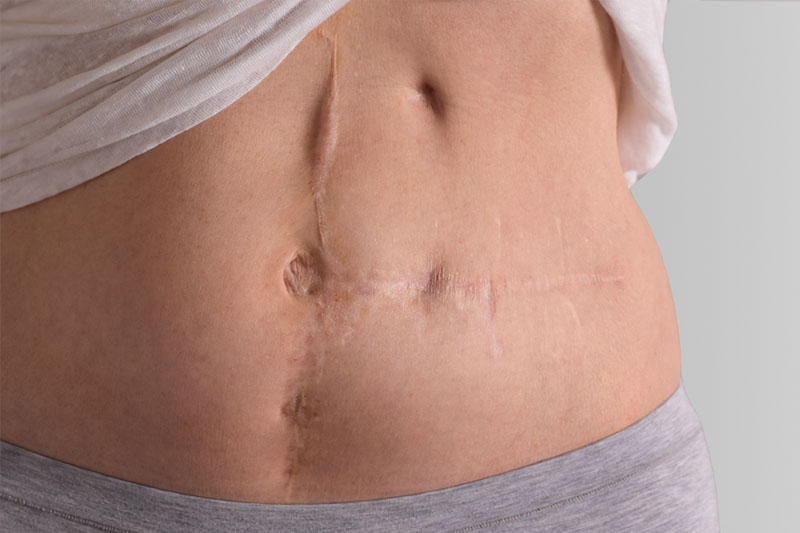
A dog ear is tissue, not fluid, and no amount of massage will remove one.
But most of what patients call a dog ear in the first two months after a tummy tuck is swelling, and swelling does settle. Telling those two things apart is the entire question, and it is the reason we ask people not to make any decision about revision surgery early.
What a Dog Ear Actually Is
When a surgeon closes a long incision, the tissue at each end has to be brought together across a shorter distance than the tissue in the middle. If there is more skin at the corner than the closure can absorb, it lifts into a small cone.
A 2020 systematic review in Plastic and Reconstructive Surgery Global Open defines it precisely: a conical tissue deformation that appears when redundancy at the wound corner exceeds the skin’s capacity to absorb the excess.
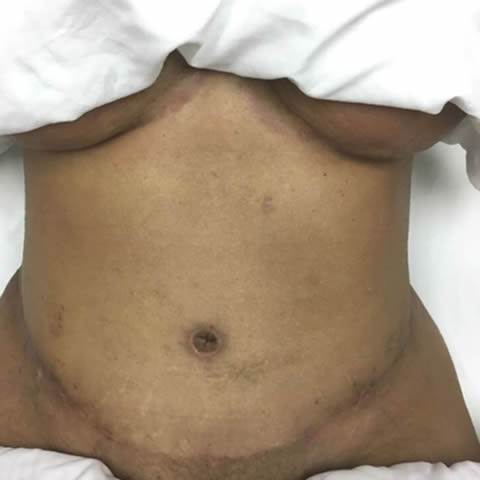
After an abdominoplasty those corners sit at the hips, at the outer ends of the horizontal scar. That is why a dog ear appears as a fold or bulge over the hip bone, and not anywhere near the middle of the abdomen.
The Part Most People Get Wrong: Swelling Looks the Same
For the first six to eight weeks the flanks hold fluid. The lymphatic pathways that normally drain that area have been cut and are still rebuilding, so fluid collects exactly where a dog ear would sit. It looks identical in a mirror and photographs identically.
There are ways to tell them apart before anyone reaches for a scalpel:
- Fluid is usually soft, changes through the day, is worse in the evening than in the morning, and may pit slightly when pressed.
- Tissue is firm, the same size morning and night, and does not change with position or activity.
If what you are seeing changes during the day, you are almost certainly looking at swelling, and it is too early to call it anything else.
Do Dog Ears Go Away on Their Own?
Some genuinely do. The same 2020 review found that smaller deformities regress without intervention, and that size is the strongest predictor. Among dog ears measuring under four millimetres on the trunk, 81 per cent resolved completely. Those under eight millimetres were considerably more likely to regress than larger ones. The window for that spontaneous regression is roughly six months.
The authors set a practical threshold in the other direction as well: above about fifteen millimetres in height, they recommend surgical correction rather than waiting, because regression at that size is unlikely.
Between those two numbers is where patience matters, and where a lot of unnecessary anxiety happens.
What Lymphatic Drainage Can and Cannot Do
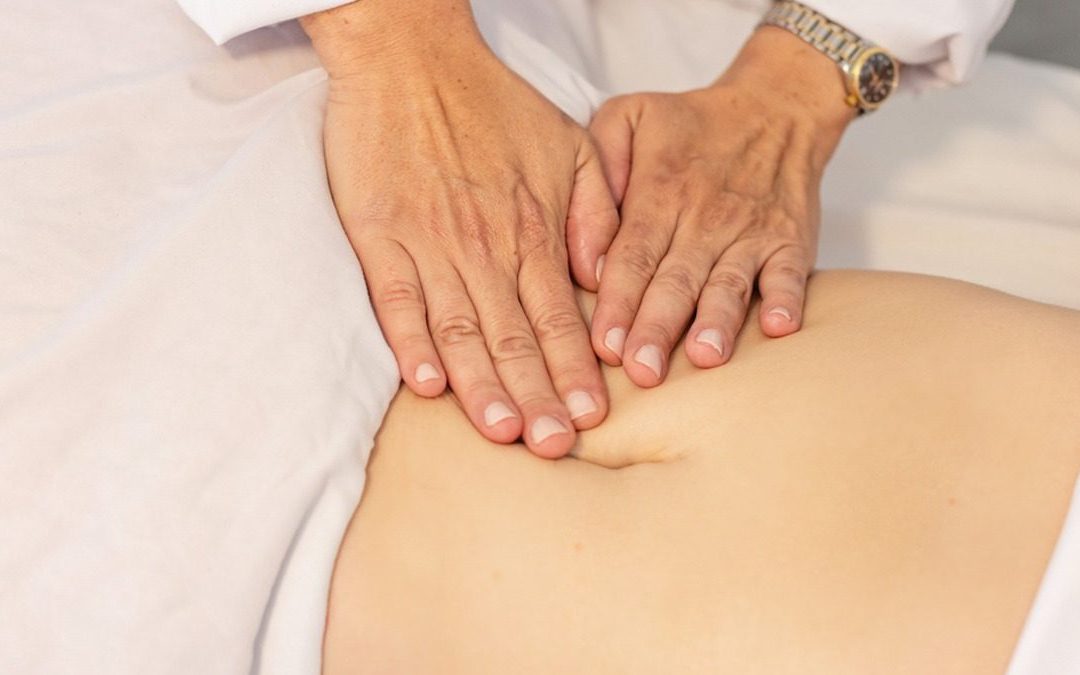
What it can do is remove the fluid component, which is what lets you and your surgeon finally see what is actually there. A 2024 review in the Revista JRG de Estudos Acadêmicos looking specifically at manual lymphatic drainage after abdominoplasty found it reduces oedema, bruising and pain, and that it is more effective when started early, with around ten sessions sufficient for most patients. The same authors are honest that the evidence on exactly how many sessions are needed is not settled, and we would say the same.
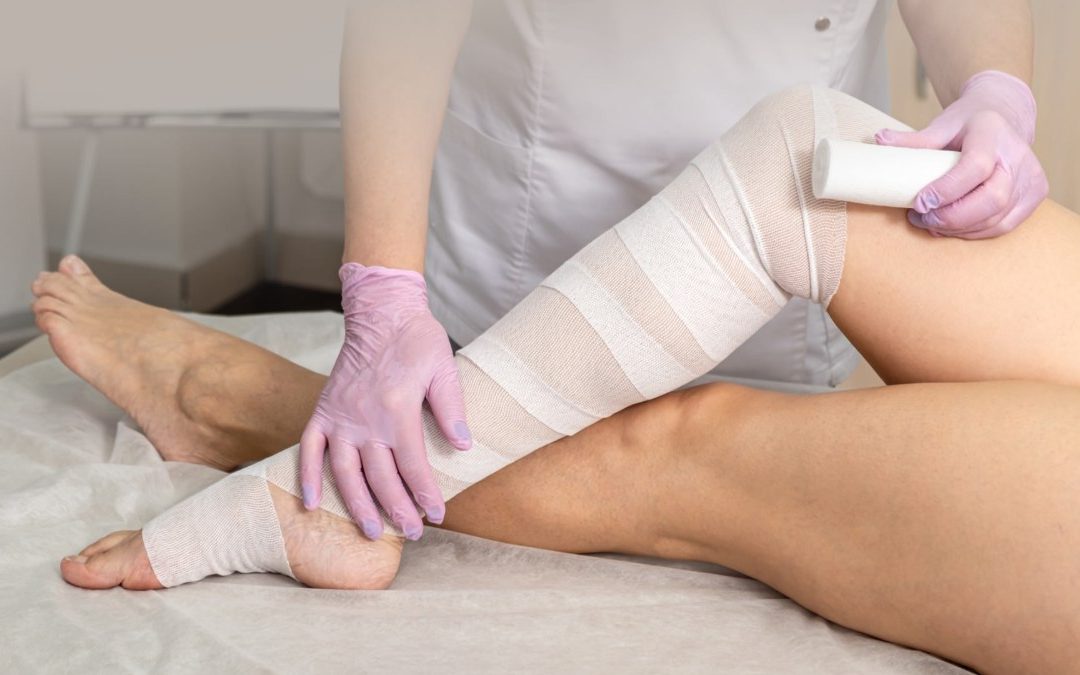
What it cannot do is remove skin. If there is genuine excess tissue at the end of the incision, no manual technique, no machine, no wrap and no garment will make it disappear. The cone is structural.
If a therapist tells you they can massage away a confirmed dog ear, they are selling you sessions.
That distinction matters commercially as well as clinically. We would rather tell someone at week eight that what remains is a surgical question than keep them coming back for treatments that cannot solve it.
When to Raise It With Your Surgeon
- At around three months, once most of the swelling has resolved and what you are looking at is stable.
- Sooner if the area is painful, hot, red, or growing rather than shrinking, which is a different problem entirely.
- Bring photographs taken in the same light and the same position, several weeks apart. A changing fold and a static fold tell very different stories.
Revision, when it is needed, is usually a small procedure done under local anaesthetic, and many surgeons include it in their original fee within a defined window. That window is a reason to ask early rather than late, even if you decide to wait.
Post-Surgical Recovery in Houston and The Woodlands
Carolina Pintos Therapy provides post-operative lymphatic care, scar tissue and fibrosis treatment and in-home recovery visits at our Memorial and The Woodlands locations.
Carolina Pintos is a licensed physical therapist trained in Brazil and Spain, with more than twenty years in post-surgical recovery. The clinic is referred by more than a hundred Houston plastic surgeons, and part of that relationship is telling patients plainly when something is a surgical question rather than a therapy one.
If you are earlier in recovery, our guide to lymphatic massage after a tummy tuck covers when to start and how many sessions to expect, and why post-operative drainage should not hurt explains what correct pressure feels like.
If your tummy tuck was combined with breast surgery, read our mommy makeover recovery timeline as well.
References
- Kang AS, Kang KS. A systematic review of cutaneous dog ear deformity: a management algorithm. Plastic and Reconstructive Surgery Global Open. 2020;8(9):e3102.
- Lima CR, Moraes Filho IM. A importância da drenagem linfática manual no pós-operatório de abdominoplastia. Revista JRG de Estudos Acadêmicos. 2024;7(14):e141286.
This article is general information, not medical advice. Individual results vary. Always follow your surgeon’s instructions for your own recovery.
This writing is the original and exclusive property of Carolina Pintos and is protected under copyright law. Unauthorized use of the same without the express consent of Carolina Pintos will be subject to prosecution under applicable laws.